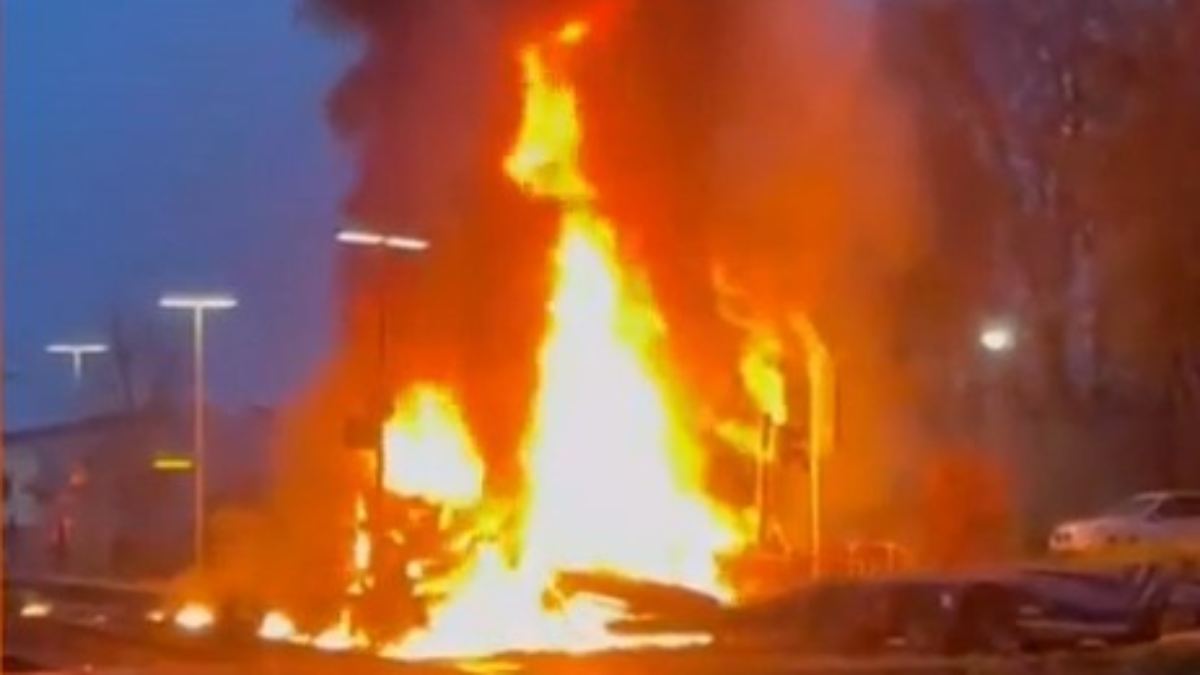
Insheim Rail Accident: Transporter Driver Seriously Hurt, Explosions Rock Südpfalz
The tranquil Südpfalz region was shaken by a dramatic series of events on a recent Monday, culminating in a severe rail accident in Insheim that left a transporter driver seriously injured and caused widespread disruption. The incident, which involved a regional train colliding with a car transporter, resulted in multiple explosions and fires, painting a chaotic scene near the Bahnübergang (rail crossing). This terrifying Insheim Train Crash: Car Transporter Collision Closes Rail Line event, alongside another significant road incident earlier that day, has cast a spotlight on critical safety issues on both road and rail infrastructure in the area.
The phrase "Unfall Insheim" has become synonymous with a day of intense emergency response and profound concern for public safety. While the rail incident was undoubtedly the most severe, contributing to the day's events was a separate, serious head-on collision on the L540, further taxing local emergency services and highlighting the unforeseen dangers that can unfold on local roads.
A Fiery Collision: Details of the Insheim Rail Accident
The terrifying rail accident unfolded on Monday evening, March 24, 2026, at a railway crossing in Insheim, a community nestled in the Southern Palatinate. Police reports indicate that the driver of an autotransporter found himself in a perilous situation, stalled in congested traffic with his articulated trailer partially on the tracks. As a regional express train, en route towards Landau, approached, the inevitable became agonizingly clear.
Despite the train driver initiating an emergency braking maneuver, the sheer momentum of the train made it impossible to stop in time, leading to a devastating collision. The impact was immediate and catastrophic. Eyewitnesses and first responders described a scene of chaos: a powerful crash followed by multiple explosions and subsequent fires. The force of the collision created a debris field stretching several hundred meters, with at least one car on the transporter engulfed in flames.
The transporter driver bore the brunt of the impact, sustaining serious injuries. He was swiftly attended to by emergency medical personnel and transported to a specialized clinic. In addition to the driver, three other individuals onboard the train suffered minor injuries, thankfully not life-threatening, but underscoring the potential for broader casualties in such an event. The scale of the damage is estimated to be in the hundreds of thousands of Euros, a testament to the destructive power unleashed.
The response from local emergency services was immediate and overwhelming. Fire brigades from Insheim, Herxheim, Offenbach, and Landau, along with the management staff of the Herxheim administrative community, rapidly deployed approximately 50 personnel to the scene. Their coordinated efforts were crucial in containing the fires, securing the area, and initiating rescue operations. The rapid deployment and professionalism of these teams prevented an even greater tragedy.
Widespread Disruption: Impact on Rail Services
The immediate aftermath of the Insheim rail accident led to significant and prolonged disruption to regional rail services. The railway line between Landau and Winden was immediately closed and remained impassable for the entire day following the incident, with uncertainty surrounding its reopening. This closure had a cascading effect on several key train lines:
- RE6: Services on this line were completely cancelled.
- RB51 & RB53: These lines experienced partial cancellations, operating only between Winden and Karlsruhe, and Neustadt and Landau respectively.
To mitigate the impact on commuters and travelers, Deutsche Bahn swiftly implemented emergency measures. An extensive replacement bus service was established between Neustadt Hbf and Wörth, serving all intermediate stops. Additional shuttle buses were deployed to run between Winden and Wissembourg, striving to keep essential connections open despite the significant infrastructure damage.
For travelers impacted by such unforeseen events, here are some practical tips:
- Check Official Sources: Always refer to the official websites or apps of Deutsche Bahn (or your local transport provider) for the most up-to-date information on delays, cancellations, and alternative arrangements.
- Plan Ahead: If traveling by train, especially during periods of known disruption, allow extra time for your journey and consider alternative routes if available.
- Stay Informed: Follow local news and emergency service updates for real-time information regarding accident sites and road/rail closures.
- Patience is Key: Emergency situations require complex responses. Patience and understanding are crucial when dealing with delays and changes to your travel plans.
Another Insheim Incident: The L540 Head-on Collision
Adding to the challenging day for Insheim's emergency responders was a completely separate, severe road traffic accident earlier that Monday afternoon, around 3:30 PM, on the L540. This incident, while distinct from the rail crash, also contributed to the overall picture of a day marked by significant L540 Insheim: Head-on Collision Hospitalizes Drivers, Road Closed and heightened emergency activity.
The collision occurred when a 21-year-old male driver, traveling in a VW Golf from Herxheim towards Landau, reportedly swerved into oncoming traffic on a left-hand curve. He subsequently collided head-on with a KIA driven by a 24-year-old woman. The impact was severe enough to cause the VW Golf to overturn, coming to rest on its roof.
Both drivers sustained injuries in the collision. The 21-year-old man, with more serious injuries, was airlifted by rescue helicopter Christoph 5 to a specialized clinic. The 24-year-old woman was transported by ambulance to a local hospital. The L540 was fully closed for the duration of the accident investigation and recovery operations, again requiring a significant deployment of emergency resources, including two ambulances, an emergency doctor vehicle, and approximately 50 firefighters from various surrounding communities.
Investigations into the precise cause of this head-on collision are ongoing, with authorities working to determine the factors that led to the young man losing control of his vehicle. This incident serves as a stark reminder of the ever-present risks on our roads and the importance of vigilance behind the wheel.
Understanding Rail Crossing Safety and Accident Prevention
The Insheim rail accident highlights critical lessons regarding rail crossing safety, especially in areas with busy road traffic. Getting stuck on railway tracks, as appears to have happened in Insheim, is an alarmingly common cause of severe accidents.
For Drivers at Rail Crossings:
- Never Stop on Tracks: Before crossing, ensure there is enough space on the other side of the tracks to fully clear them. If traffic is backed up, wait behind the crossing signal or line.
- Observe Signals and Barriers: Always obey flashing lights, bells, and lowered barriers. They indicate an approaching train.
- Be Aware of Your Vehicle: Long vehicles, like car transporters or buses, require more time and space to cross. Drivers of such vehicles must exercise extra caution.
- If Stuck on Tracks: If your vehicle stalls or gets stuck on the tracks, immediately get everyone out and away from the vehicle. Move quickly in the direction of the approaching train (if known) and away from the tracks, to avoid being hit by debris. Call emergency services (112 in Germany) and the railway emergency number if available.
- Avoid Distractions: Mobile phones and other distractions can lead to critical errors at rail crossings. Maintain full focus.
For Road Safety in General:
- Maintain Distance: Especially on curved roads or in heavy traffic, keeping a safe following distance allows for more reaction time.
- Adhere to Speed Limits: Speed limits are set for a reason, considering road conditions and potential hazards.
- Avoid Impaired Driving: Never drive under the influence of alcohol, drugs, or extreme fatigue.
- Regular Vehicle Maintenance: Ensure your vehicle is in good working order, with properly functioning brakes, tires, and steering.
The rapid and extensive deployment of emergency services in both Insheim incidents underscores the severity of the situations and the dedication of these professionals. From firefighters battling blazes and managing hazardous materials to paramedics and doctors providing critical care, their coordinated efforts are indispensable in mitigating the consequences of such tragedies.
Conclusion
The "Unfall Insheim" events of that Monday served as a stark and sobering reminder of the inherent risks present in our daily lives, whether on the roads or at rail crossings. The serious injuries sustained by the transporter driver in the fiery rail collision, alongside the damage and widespread disruption, emphasize the importance of vigilance, adherence to safety regulations, and rapid, effective emergency response. As investigations continue into both the rail accident and the L540 head-on collision, the lessons learned will undoubtedly contribute to ongoing efforts to enhance safety measures and prevent similar tragedies in the future. These incidents are a powerful call for renewed focus on personal responsibility and collective commitment to safety for everyone in our communities.